
APICCAPS Brings the Case for Europe's Reindustrialisation to Brussels
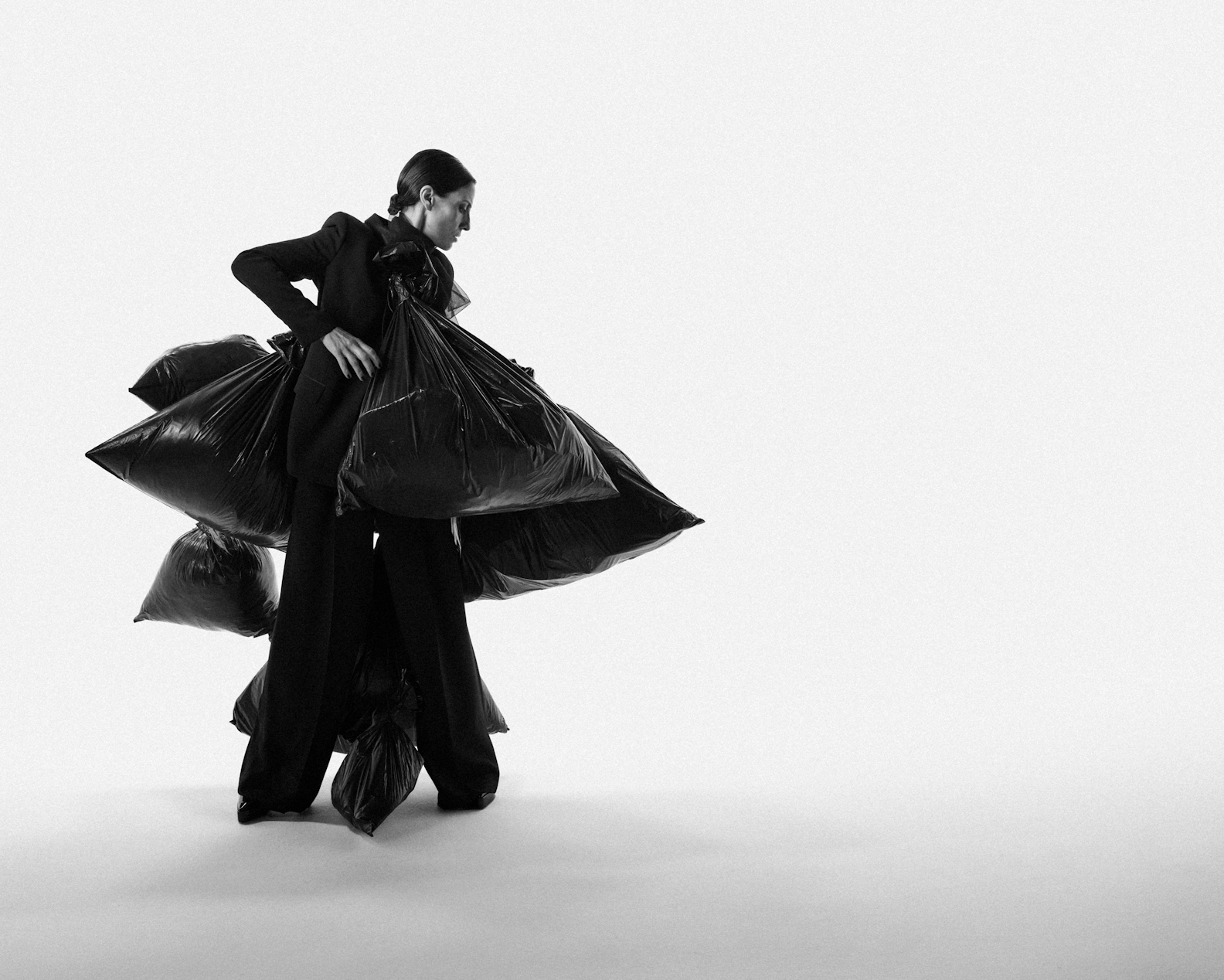
The European Union imports around 1.98 billion pairs of footwear every year, generating an estimated 1.22 million tonnes of potential waste that will ultimately end up in landfill, according to figures from the European Confederation of the Footwear Industry (CEC). The data were presented during the conference "Bioeconomy in Motion: How Portugal is Shaping Europe's Sustainable Future," organised by APICCAPS in Brussels as part of the BioShoes4All project.
The figures illustrate the scale of the environmental challenge associated with footwear consumption across Europe and reinforce the need to accelerate the transition towards more sustainable and circular production and consumption models.
With each pair of shoes weighing an average of 616 grams, the EU's annual footwear imports amount to approximately 1.22 million tonnes of potential waste—equivalent to the weight of thousands of large commercial aircraft.
The findings come at a time when Brussels is strengthening environmental requirements for the fashion and footwear industries, introducing measures designed to encourage longer-lasting products, increased material recycling and reduced waste throughout the value chain.
According to the European Confederation of the Footwear Industry, these figures highlight the urgent need to extend product lifecycles and increase the use of sustainable materials. The organisation believes that circularity will become one of the sector's key competitive advantages in the years ahead.
Portuguese Footwear: A Model for Europe
European Commissioner for Economy and Productivity Valdis Dombrovskis, who oversees the Recovery and Resilience Facility (RRF), described the Portuguese footwear industry as an example of how Europe can strengthen its competitiveness through innovation, sustainability and a commitment to quality, highlighting the achievements of the BioShoes4All project.
In a message delivered in Brussels by Arnolds Eizensmits, a member of the Commissioner's cabinet responsible for Portugal, Dombrovskis stressed that the Portuguese footwear sector demonstrates Europe's ability to compete internationally "not because it is the cheapest, but because it is better and more reliable."
"Portugal's footwear industry is part of the country's industrial identity. It brings together skilled workers, family-owned businesses, exporters, designers, technology centres, researchers and suppliers," he said, adding that the sector has shown "remarkable adaptability" in responding to the changing demands of global markets.
The Commissioner also highlighted the role of BioShoes4All, noting that the project supports areas that are "directly linked to future competitiveness," including biomaterials, resource efficiency, digital tools, waste valorisation and stronger links between research and industry.
"This is exactly the kind of investment Europe needs."
"Europe Talks About Reindustrialisation. Portugal Is Making It Happen."
For Luís Onofre, President of APICCAPS, "Europe's current model is not sustainable."
For this reason, the Portuguese footwear industry has positioned itself at the forefront of this transformation through innovation projects focused on biomaterials, waste reuse and the development of more efficient manufacturing processes. Initiatives such as BioShoes4All are designed to respond directly to the environmental challenges posed by the European Union's new sustainability agenda.
Addressing representatives from the European institutions, policymakers, business leaders and researchers, APICCAPS and the Portuguese Footwear Technology Centre (CTCP) presented the outcome of a transformation process that has mobilised more than €70 million in investment in recent years, much of it supported by Portugal's Recovery and Resilience Plan (RRP).
"While many are discussing the future, we have chosen to build it," said Luís Onofre, arguing that Portugal is already demonstrating how European reindustrialisation can become a reality.
"Europe talks about reindustrialisation. Portugal is making it happen."
According to Onofre, the Portuguese footwear industry deliberately chose a different path from many competing economies.
"Portugal did not choose to compete on price. It chose to compete through knowledge, innovation, sustainability, technology and creativity."
It was this vision that gave rise to BioShoes4All, one of the largest collaborative projects ever undertaken by Portugal's footwear industry, bringing together companies, technology centres, universities and brands around a common objective: developing the footwear of the future.
"More sustainable, smarter, more transparent and more European," Onofre summarised.
According to Maria José Ferreira, Coordinator of BioShoes4All, the flagship project brings together around 70 partners and is structured around five strategic pillars: biomaterials, eco-footwear, circular economy, advanced manufacturing technologies, and skills development and promotion.
"Over the past few years, the project has led to the development of new products, biomaterials, recycling solutions, more efficient manufacturing processes and digital tools aimed at reducing the environmental impact of the footwear industry."
At a time when the European Union is seeking to reduce external dependencies, strengthen strategic value chains and rebuild its industrial capacity, Portugal's experience was presented as tangible proof that industry remains part of the solution.
"A solution for competitiveness, innovation, highly skilled employment and Europe's strategic autonomy," concluded Luís Onofre.
The European Union imports around 1.98 billion pairs of footwear every year, generating an estimated 1.22 million tonnes of potential waste that will ultimately end up in landfill, according to figures from the European Confederation of the Footwear Industry (CEC). The data were presented during the conference "Bioeconomy in Motion: How Portugal is Shaping Europe's Sustainable Future," organised by APICCAPS in Brussels as part of the BioShoes4All project.
The figures illustrate the scale of the environmental challenge associated with footwear consumption across Europe and reinforce the need to accelerate the transition towards more sustainable and circular production and consumption models.
With each pair of shoes weighing an average of 616 grams, the EU's annual footwear imports amount to approximately 1.22 million tonnes of potential waste—equivalent to the weight of thousands of large commercial aircraft.
The findings come at a time when Brussels is strengthening environmental requirements for the fashion and footwear industries, introducing measures designed to encourage longer-lasting products, increased material recycling and reduced waste throughout the value chain.
According to the European Confederation of the Footwear Industry, these figures highlight the urgent need to extend product lifecycles and increase the use of sustainable materials. The organisation believes that circularity will become one of the sector's key competitive advantages in the years ahead.
Portuguese Footwear: A Model for Europe
European Commissioner for Economy and Productivity Valdis Dombrovskis, who oversees the Recovery and Resilience Facility (RRF), described the Portuguese footwear industry as an example of how Europe can strengthen its competitiveness through innovation, sustainability and a commitment to quality, highlighting the achievements of the BioShoes4All project.
In a message delivered in Brussels by Arnolds Eizensmits, a member of the Commissioner's cabinet responsible for Portugal, Dombrovskis stressed that the Portuguese footwear sector demonstrates Europe's ability to compete internationally "not because it is the cheapest, but because it is better and more reliable."
"Portugal's footwear industry is part of the country's industrial identity. It brings together skilled workers, family-owned businesses, exporters, designers, technology centres, researchers and suppliers," he said, adding that the sector has shown "remarkable adaptability" in responding to the changing demands of global markets.
The Commissioner also highlighted the role of BioShoes4All, noting that the project supports areas that are "directly linked to future competitiveness," including biomaterials, resource efficiency, digital tools, waste valorisation and stronger links between research and industry.
"This is exactly the kind of investment Europe needs."
"Europe Talks About Reindustrialisation. Portugal Is Making It Happen."
For Luís Onofre, President of APICCAPS, "Europe's current model is not sustainable."
For this reason, the Portuguese footwear industry has positioned itself at the forefront of this transformation through innovation projects focused on biomaterials, waste reuse and the development of more efficient manufacturing processes. Initiatives such as BioShoes4All are designed to respond directly to the environmental challenges posed by the European Union's new sustainability agenda.
Addressing representatives from the European institutions, policymakers, business leaders and researchers, APICCAPS and the Portuguese Footwear Technology Centre (CTCP) presented the outcome of a transformation process that has mobilised more than €70 million in investment in recent years, much of it supported by Portugal's Recovery and Resilience Plan (RRP).
"While many are discussing the future, we have chosen to build it," said Luís Onofre, arguing that Portugal is already demonstrating how European reindustrialisation can become a reality.
"Europe talks about reindustrialisation. Portugal is making it happen."
According to Onofre, the Portuguese footwear industry deliberately chose a different path from many competing economies.
"Portugal did not choose to compete on price. It chose to compete through knowledge, innovation, sustainability, technology and creativity."
It was this vision that gave rise to BioShoes4All, one of the largest collaborative projects ever undertaken by Portugal's footwear industry, bringing together companies, technology centres, universities and brands around a common objective: developing the footwear of the future.
"More sustainable, smarter, more transparent and more European," Onofre summarised.
According to Maria José Ferreira, Coordinator of BioShoes4All, the flagship project brings together around 70 partners and is structured around five strategic pillars: biomaterials, eco-footwear, circular economy, advanced manufacturing technologies, and skills development and promotion.
"Over the past few years, the project has led to the development of new products, biomaterials, recycling solutions, more efficient manufacturing processes and digital tools aimed at reducing the environmental impact of the footwear industry."
At a time when the European Union is seeking to reduce external dependencies, strengthen strategic value chains and rebuild its industrial capacity, Portugal's experience was presented as tangible proof that industry remains part of the solution.
"A solution for competitiveness, innovation, highly skilled employment and Europe's strategic autonomy," concluded Luís Onofre.